Brewing diagnosis
Why Re-Steeped Black Tea Tastes Weak, Bitter, or Empty
Re-steeped black tea tastes weak when the first infusion has already taken most of the easy aroma, color, body, and briskness from the leaf. It can turn bitter or empty when the second steep tries to pull more from leaves that are already partly spent, especially with too little leaf, too much water, a long steep time, very hot water, older tea, or a broken-leaf tea that released its flavor quickly the first time.
That does not automatically mean the tea is bad. A second infusion black tea is usually being compared with the first cup, which often has more fragrance, darker liquor, and a fuller middle. The better question is narrower: is the second cup naturally lighter, or did the brewing method push it into thinness, harshness, or a hollow finish?
upward
Read the full overview first
Use the broader guide first if you need the full scope before this page.
What the Second Cup Is Showing
The first infusion is the clearest cup for many black teas. It usually shows the strongest aroma, the most obvious style character, and the fullest balance of sweetness, briskness, malt, fruit, smoke, spice, or tannic grip. When you steep the same leaves again, you are not starting over. You are asking what remains after the first round.
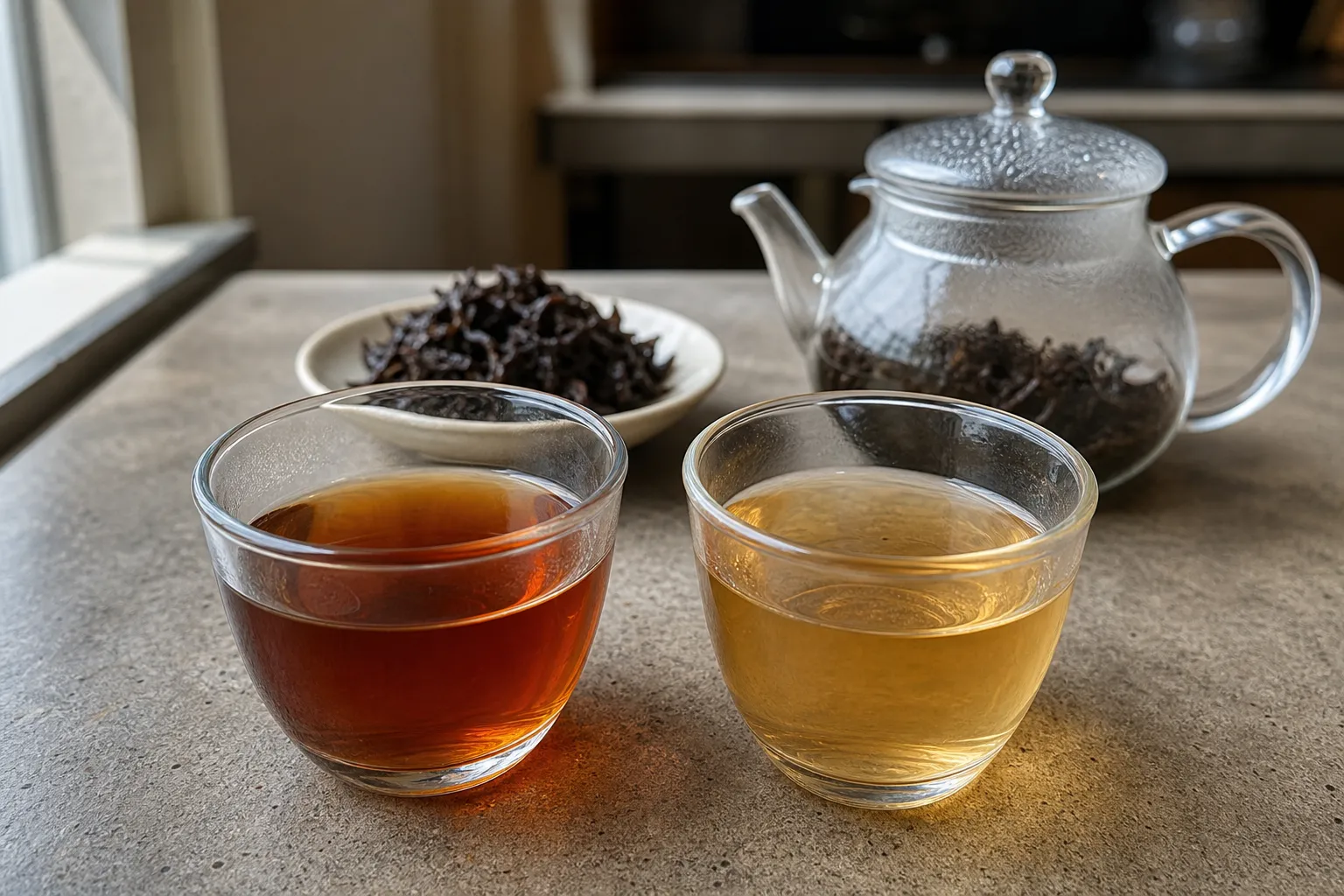
A good black tea second steep may be lighter but still pleasant. It might have softer aroma, paler liquor, less weight on the tongue, and a gentler finish. That can be a valid cup, especially when the tea has larger or more intact leaves and the first infusion was not pushed too hard.
A disappointing second cup usually falls into one of three patterns:
Weak
Pale liquor, faint aroma, little body, and a watery finish.
Bitter
Sharp bite, rough edges, and dryness that feels stronger than the flavor.
Empty
Some color or grip remains, but the center of the cup feels missing.
“Empty” does not always mean there is no flavor at all. It often means the aroma has faded, the sweetness has dropped away, or the tea has left mostly dryness without enough body to support it.
Why the Re-Steep Tastes Weak
A weak second cup of black tea usually comes from a few visible brewing conditions. Start with what you can observe and adjust before assuming the tea itself is the problem.
The first infusion took too much
If the first cup was dark, strong, brisk, and aromatic, it may have taken much of what the leaf had to give. This is more likely when the first infusion used a long steep time, small leaf pieces, very hot water, or a high tea-to-water ratio. The second cup then has less aroma and body available, so it feels thin even if you steep it longer.
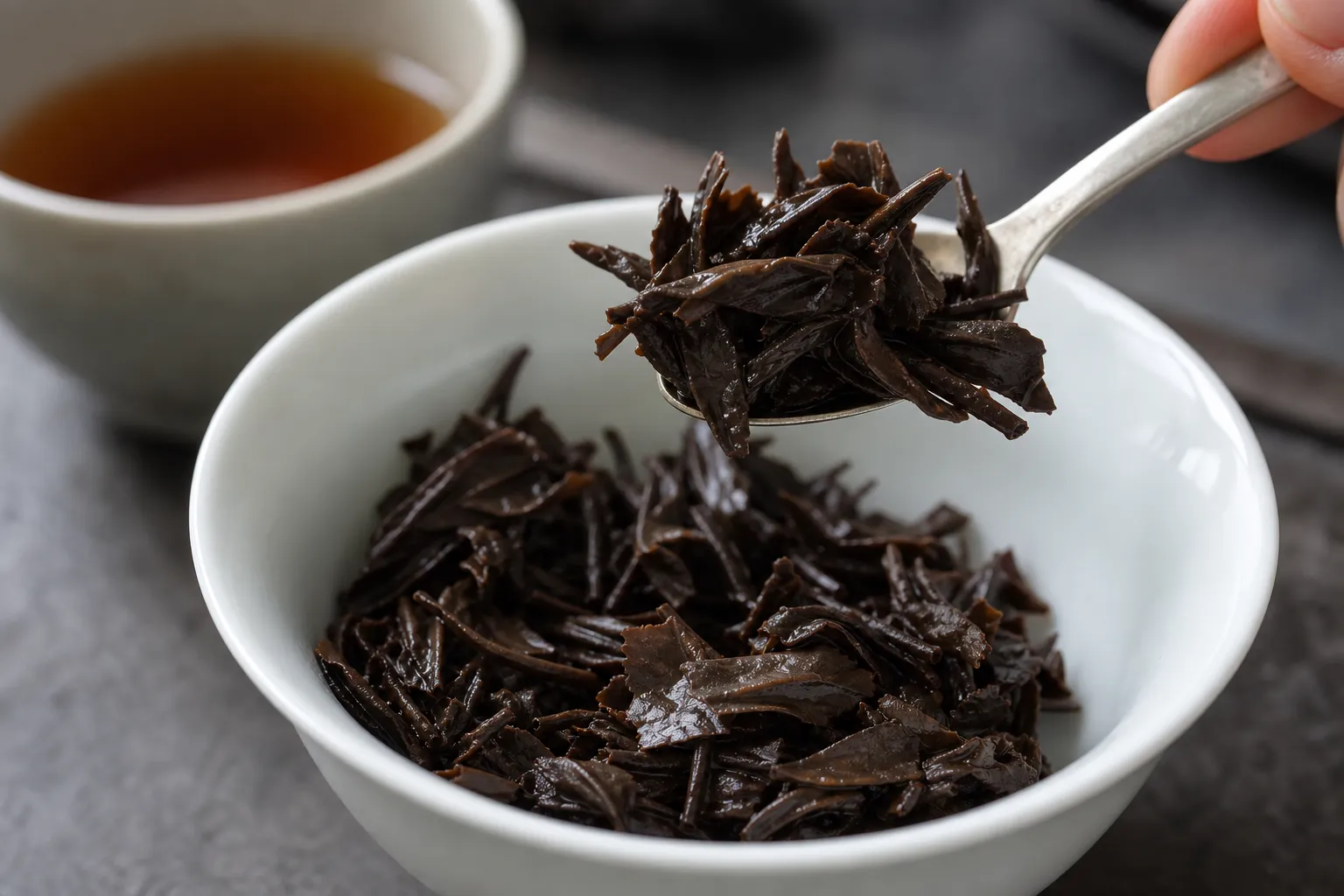
A useful check is the warm wet leaf. If the leaves are fully opened, soft, and no longer smell vivid after the first cup, the second infusion may naturally be modest.
The leaf is small or broken
Broken leaf black tea often brews quickly. Smaller pieces expose more surface area to water, so the first infusion can become strong fast. That same speed can leave the second infusion less expressive.
This does not make broken leaf tea inferior. Many black teas are intentionally made for a brisk, full first cup, sometimes with milk or sugar in mind. But if the package shows fine particles, fannings, dust, or very small broken pieces, expecting a rounded whole leaf second infusion may lead to disappointment.
Whole leaf black tea may release flavor more gradually. Larger twisted or intact leaves can sometimes give a second cup with more aroma and shape, though freshness, origin, blend, and brewing method still matter.
The second cup uses too much water
A second infusion is easier to over-dilute than the first. If you use the same large mug of water for already-steeped leaves, the result may taste stretched. A weak resteep black tea flavor often improves more from using less water than from adding several extra minutes.
If the first cup filled a large mug or pot, make the second cup smaller. Keep the same leaves, reduce the water volume, and taste whether the body returns.
The tea was already flat before brewing
Black tea can still look usable after its aroma has faded. If the dry leaf smells flat, papery, stale, dusty, or mostly like the container, the second infusion has less to work with. The first cup may still show color and briskness, but the second cup can feel hollow because the more delicate aroma was already weak.
Storage matters in a practical way. Dry leaf exposed to air, light, moisture, or strong kitchen smells may lose liveliness sooner. Smell the dry tea, then smell the warm wet leaf after the first infusion. If both are muted, the second cup will probably be muted too.
Why It Turns Bitter Instead of Stronger
When a black tea second steep tastes weak, the instinct is to steep it longer. Sometimes that helps. Sometimes it only makes the cup more bitter, because the remaining flavor is no longer balanced. The sweet, aromatic, and rounded parts may have faded faster than the rougher sensations.
Bitterness and astringency are related but not identical. Bitterness is a taste: sharp, dark, or biting. Astringency is a mouthfeel: drying, gripping, or puckering. A bitter re-steeped black tea may have both, especially if the liquor is not very flavorful but still leaves the tongue feeling scraped or tight.
The usual problem is over-correction. A drinker notices a pale second cup, then adds a very long steep. The liquor may darken a little, but the aroma does not return in the same proportion. The result is a cup with more edge, not more fullness.
Try this instead
- If the first cup was strong, make the second cup smaller rather than much longer.
- If the second cup is pale but fragrant, increase the steep time modestly.
- If the second cup is pale and already rough, stop; longer steeping is unlikely to restore balance.
- If bitterness appears quickly, use slightly cooler water next time or shorten the first infusion.
The key clue is aroma. If the second cup still smells lively, a careful adjustment may help. If it smells flat and tastes dry, the leaf may simply be near the end of its useful steeping range.
How Leaf Shape and Package Wording Set Expectations
Resteeping black tea works best when expectations match the tea in front of you. The package may not tell the whole story, but it can offer clues.
A tea described or visibly presented as whole leaf, large leaf, orthodox leaf, or long twisted leaf may have a better chance of giving a pleasant second infusion. It will likely be lighter than the first, but it may keep enough aroma and texture to be worthwhile if the first steep was not too aggressive.
A tea presented as broken leaf, small leaf, breakfast blend, tea bag cut, fannings, or dust is often built around quick strength. These teas can be satisfying in their intended first infusion, but they often do not give the same layered second cup people expect from larger loose leaf teas.
Blends can also behave unevenly. A blend may contain components that release at different rates. The first infusion may taste balanced because aroma, briskness, and body arrive together. The second infusion may show what remains after the most expressive parts have faded: a little color, some dryness, and not much middle.
None of these cues prove quality by themselves. They only help explain why the same black tea second steep works for one tea and fails for another.
A Practical Way to Read the Cup
To troubleshoot a second infusion, compare the first and second cups through five observations: color, aroma, body, bitterness, and finish.
Pale liquor and faint aroma
This may suggest that the first infusion took most of the expressive flavor. Use a smaller second cup or shorten the first steep next time.
Darker liquor but hollow taste
Color remains, but aroma and body are depleted. Stop lengthening the steep; adjust the first infusion or leaf amount.
Thin body with no roughness
There may be too much water for the remaining leaf. Reduce water volume for the second steep.
Sharp bitterness and dry mouthfeel
The second steep may be pushed too long or too hot. Shorten the second steep or use slightly cooler water.
Pleasant aroma but light flavor
The tea may still have a soft second cup available. Increase time slightly or use less water.
This is more useful than asking whether black tea “can” be re-steeped. Some black teas can. Some give only a modest second cup. Some are best enjoyed as one strong infusion. The cup usually tells you which one you have.
A simple testing sequence:
- Brew the first cup a little shorter than usual.
- Smell the wet leaves immediately after pouring.
- Make the second infusion with slightly less water.
- Taste before adding a long time extension.
- Stop when aroma fades and dryness becomes the main feature.
That sequence keeps the second infusion from becoming a punishment steep: a long extraction that produces color and roughness without much pleasure.
Common Misunderstandings
A weak second cup does not automatically prove the tea was poor. A black tea designed for a strong first infusion may simply not have much left for a second. That is different from tea that is stale, poorly stored, or brewed in a way that spent the leaf too quickly.
Liquor color is also not the same as strength. Black tea liquor color can be useful, but it is not the whole answer. A cup can look amber or reddish-brown and still taste empty if the aroma and body are gone. A lighter cup can still be worthwhile if it has fragrance, sweetness, and a clean finish.
Another common mismatch is expecting every black tea to behave like teas brewed over several short infusions. Some black teas are enjoyable that way, especially with more leaf and smaller water volume. Many everyday black teas, however, are prepared around a larger first infusion. If the first steep is the main event, the second cup is a possible bonus, not a repeat performance.
When to Stop Resteeping
Stop resteeping when the cup gives mostly heat, color, and dryness, with little aroma or body. At that point, a longer black tea steep time usually makes the problem more obvious rather than solving it.
It is also reasonable to stop after one infusion if the tea is a small broken leaf, an older tea with faint dry aroma, a blend that tasted complete in the first cup, or a tea you prefer strong and brisk. Resteeping is a brewing choice, not a test every black tea has to pass.
For the next session, change only one variable at a time. If the second infusion was weak, reduce the water volume before doubling the steep time. If it was bitter, shorten the first infusion or avoid pushing the second. If it was empty, check the dry leaf aroma and storage condition before blaming the kettle, cup, or tea style.
The most useful expectation is modest: a second infusion of black tea may be lighter, quieter, and narrower than the first. When it still has aroma, body, and a clean finish, it is worth drinking. When it tastes thin, bitter, or hollow, the leaf has probably already given its best cup, or the first infusion took too much too quickly.
FAQ
Why does my re-steeped black tea taste weak?
It usually tastes weak because the first infusion removed much of the aroma, color, body, and briskness. The effect is stronger with small broken leaves, long first steeps, large second cups, older tea, or dry leaf that has lost its fragrance.
Can I make a weak second infusion stronger?
Sometimes. Use less water for the second cup before adding a very long steep. If the wet leaves still smell fragrant, a small increase in time may help. If they smell flat and the cup is already dry, more time will likely add roughness rather than fullness.
Why is my second steep bitter but still watery?
That usually means the remaining flavor is out of balance. The sweeter and more aromatic parts may have faded, while bitterness and drying mouthfeel still extract. The cup can become sharper without becoming fuller.
Is broken leaf black tea bad for resteeping?
Not necessarily. Broken leaf black tea can make a strong, satisfying first cup. It just often releases flavor quickly, so the second infusion may be thinner than a second cup from larger or more intact leaves.
Should black tea always be re-steeped?
No. Some black teas give a pleasant second infusion, some give a small bonus cup, and some are best as one complete steep. Judge by aroma, body, finish, and your preference, not by a rule that every black tea must perform the same way.